Forget Me Not Children's Hospice
Learning to lead each other as compassionately as we care
A children's hospice already built on compassion asked a harder question: what would it look like to turn that same compassion inwards, towards colleagues? The answer became a Compassionate Leadership Blueprint.
Background
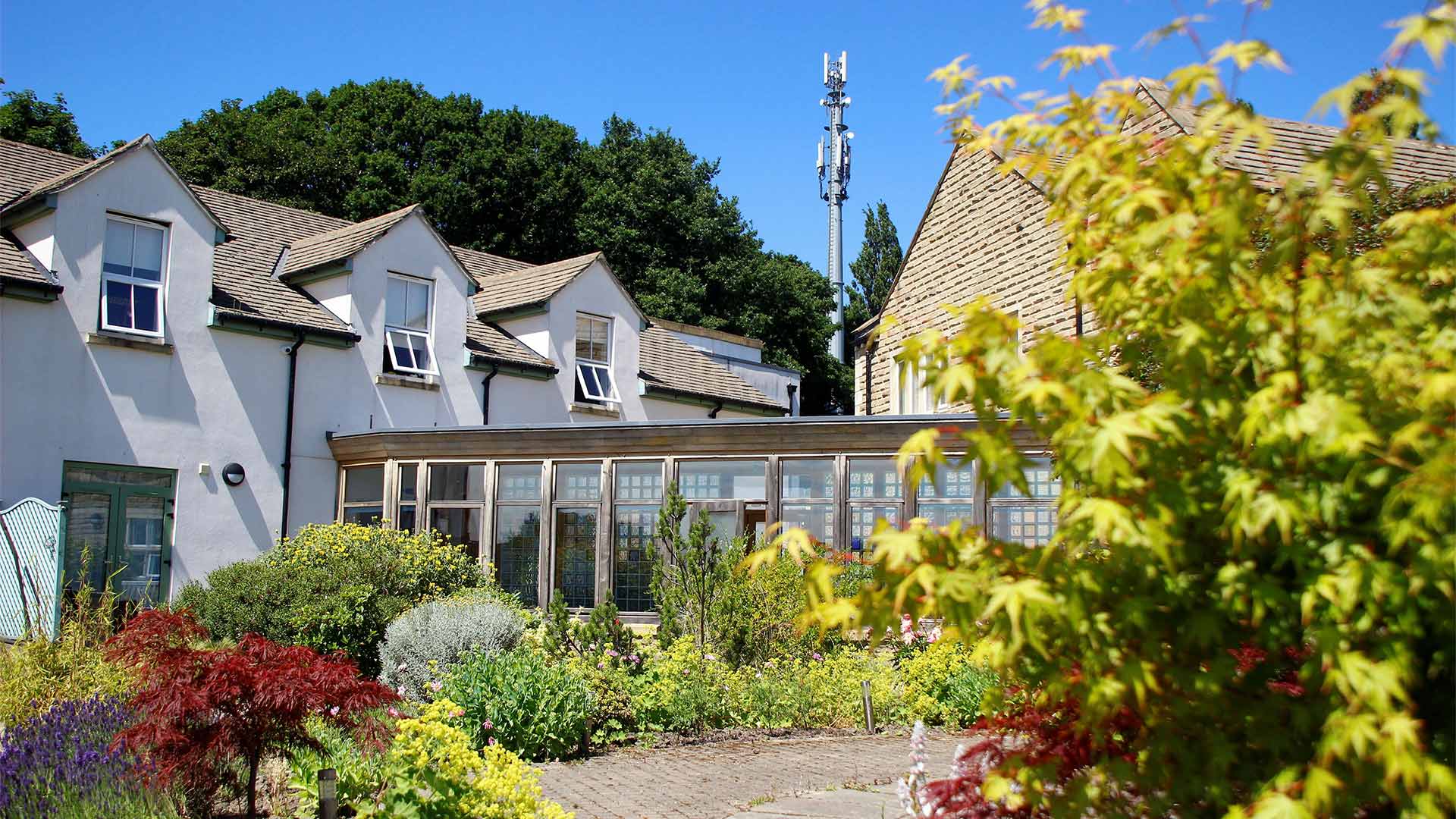
Forget Me Not Children's Hospice supports children with life-shortening conditions, and their families, across West Yorkshire. Compassion sits at the heart of its purpose, its culture and its care.
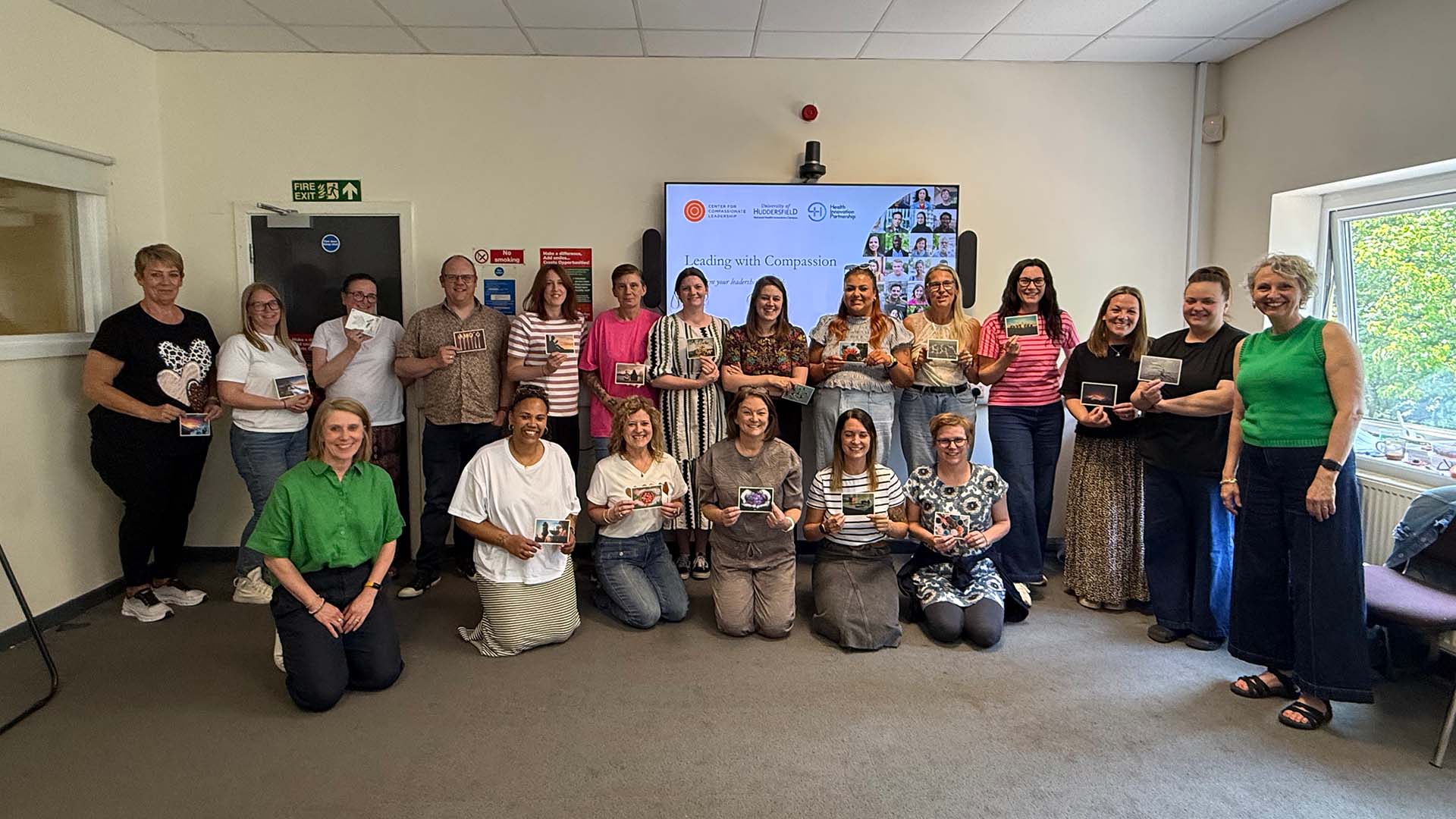
Building on existing work around wellbeing, compassionate culture and leadership development, the hospice partnered with the University of Huddersfield to pilot an accredited Compassionate Leadership programme. The initiative was led internally by Nicola O'Dowd, Finance and Corporate Services Director, as part of a wider commitment to creating a compassionate, mentally healthy and thriving workplace.
The programme was delivered by Dr Nicola Stenberg, School Director of Executive Education at the University of Huddersfield, with Helen Curtis of Vintis. It used the Centre for Compassionate Leadership (CFCL) accreditation and embedded the hospice's own leadership priorities and challenges.
The Challenge
Compassion was already deeply embedded in service delivery. The question was whether it was equally embedded in leadership practice itself.
Five objectives shaped the pilot, and a real complication ran through all of them: leaders here work in very different worlds. Clinical care, family support, retail, fundraising, corporate services and community teams all needed the same leadership language to make sense in their own setting.
- Self: Supporting leaders with self-awareness and self-compassion
- Conditions: Creating the conditions for leaders and teams to thrive
- Conversations: Developing courageous and compassionate conversations
- Collaboration: Strengthening collaboration across departments
- Culture: Embedding compassion into leadership behaviours, systems and culture
The Approach
A bespoke two-day accredited CFCL programme, written around this hospice rather than delivered off the shelf.
Content was tailored to Forget Me Not Children's Hospice and integrated initiatives already in motion: its values, leadership traits, employee promise and wellbeing priorities.
The programme used the CFCL Social Architecture framework (Worline & Dutton, 2017) to explore how culture, roles, routines and networks shape leadership behaviour and organisational wellbeing. Leaders worked together to identify practical actions and small-scale experiments they could run themselves.
Just as importantly, it created space for leaders from different functions to share experiences, understand each other's pressures, and work out how compassionate leadership applies consistently across very different teams and settings.
Outcomes
What changed straight away - and what it opened up.
Leaders began identifying practical ways to strengthen culture through small behavioural changes rather than large-scale organisational interventions. The sessions also surfaced honest discussion about workload, informal connection, psychological safety, and how leaders make room for reflection inside complex operational environments.
Artefact
A compassionate leadership blueprint was created during the programme to guide the next
Commitment
Leaders left with specific commitments to implement with their people.
Awareness
There was greater awareness of the distinction between delivering compassion through a professional role and intentionally practising compassionate leadership with colleagues.
Connection
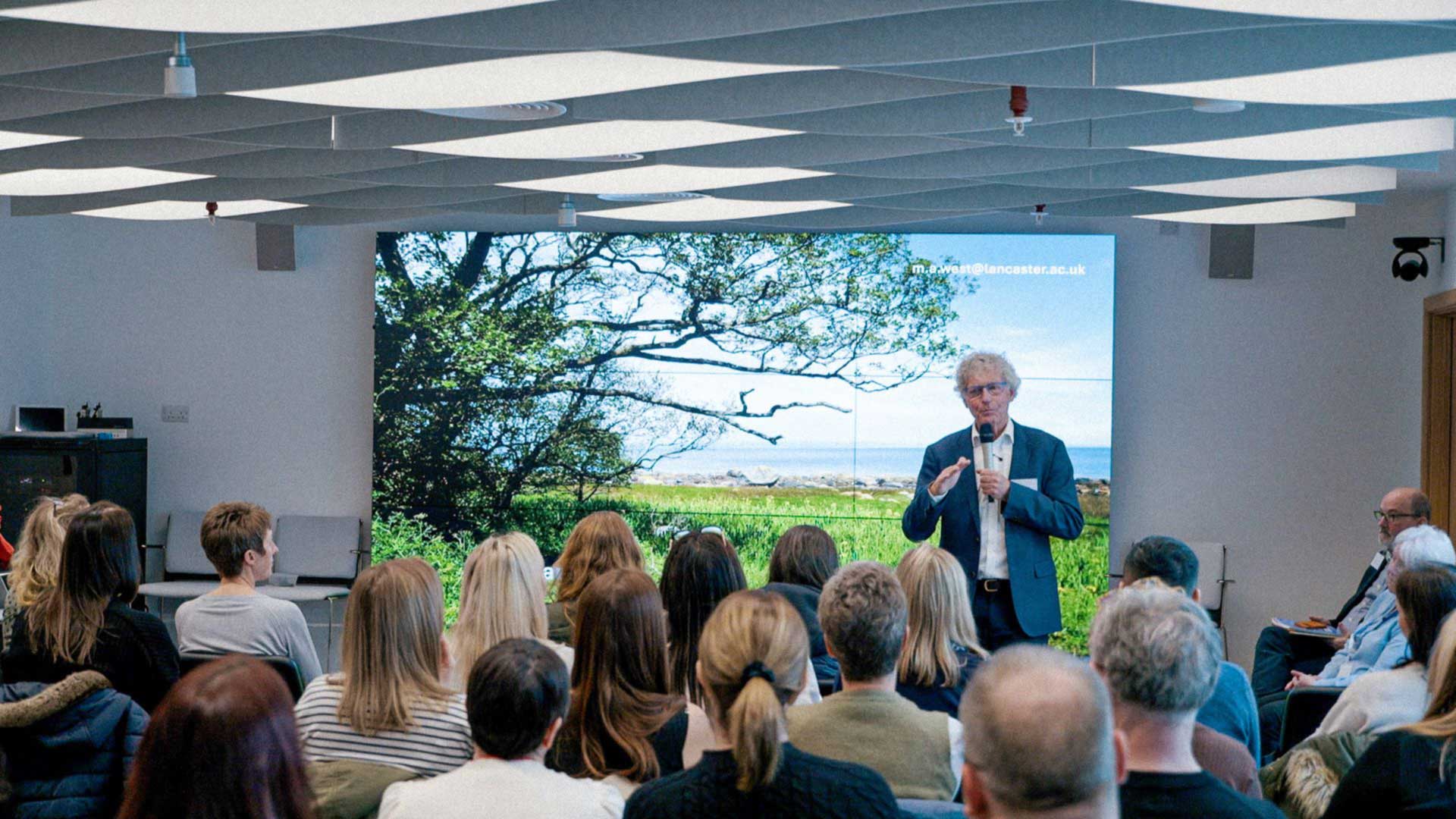
Cross-functional conversations enabled stronger connections and understanding between care, retail, fundraising and support teams.
Confidence
Leaders reported feeling more able to create environments that support psychological safety and enable people to thrive.
Culture
Leaders felt able to be honest about challenges both in the room - and after the training.
Looking ahead
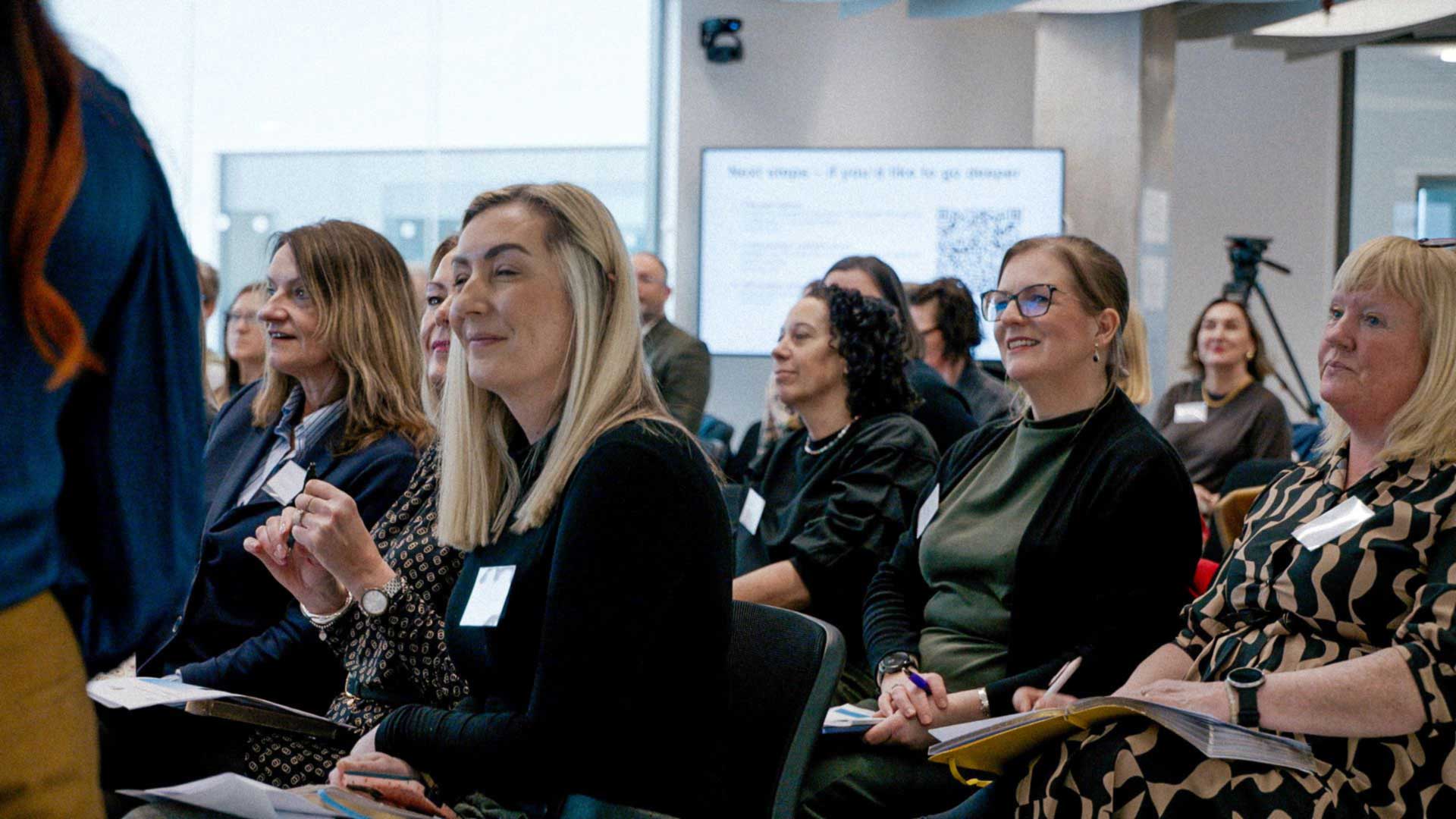
The Blueprint and the leaders' reflections are now shaping the next phase.
The Senior Leadership Team will review the emerging findings and agree a plan for maintaining momentum, extending the learning to additional leaders, and embedding compassionate leadership practices into everyday organisational life.
Participant Reflections
Feedback pointed to the human and cultural impact of the programme — how leaders support colleagues, connect as people, and create room for authenticity.
Support each other in a much more holistic way.
Allow people to connect more on a human level.
Individuals feel safer to be authentic.
Show myself compassion when leading different personalities with varying strengths.
So that the compassion cascades throughout the team and beyond.
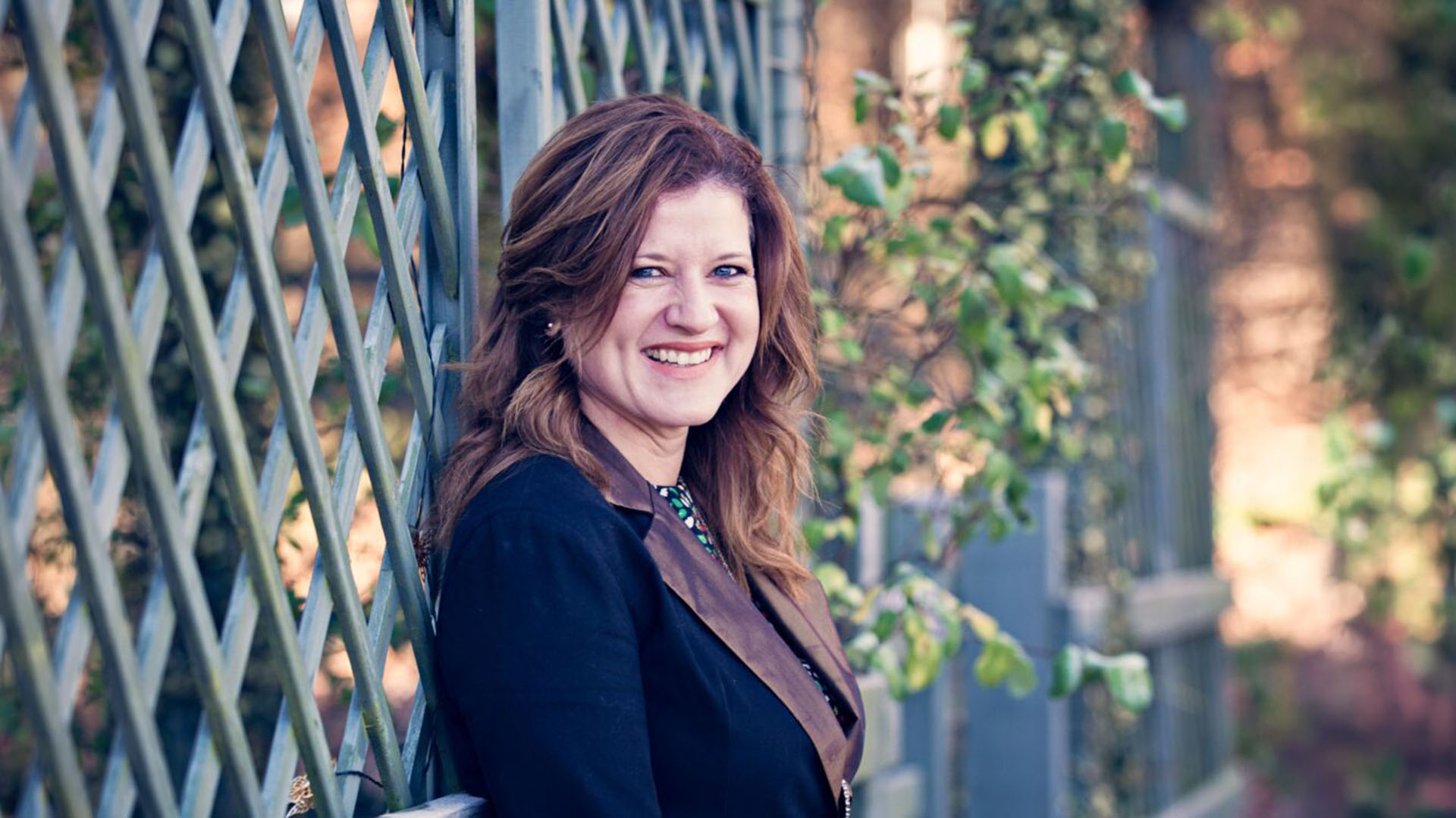
Nicola O'Dowd
Finance & Corporate Services Director, Forget Me Not Children's Hospice
It has given us a shared language, practical tools and a strong foundation for continuing our compassionate leadership journey. We are now combining this learning with wider insights, including culture surveys and colleague feedback, to shape clear actions that strengthen our workplace culture.
Compassionate Leadership Hub
More Case Studies
Return to the list of Case Studies that the Compassionate Leadership Hub have been involved in.
Homepage
Return to the Compassionate Leadership homepage.